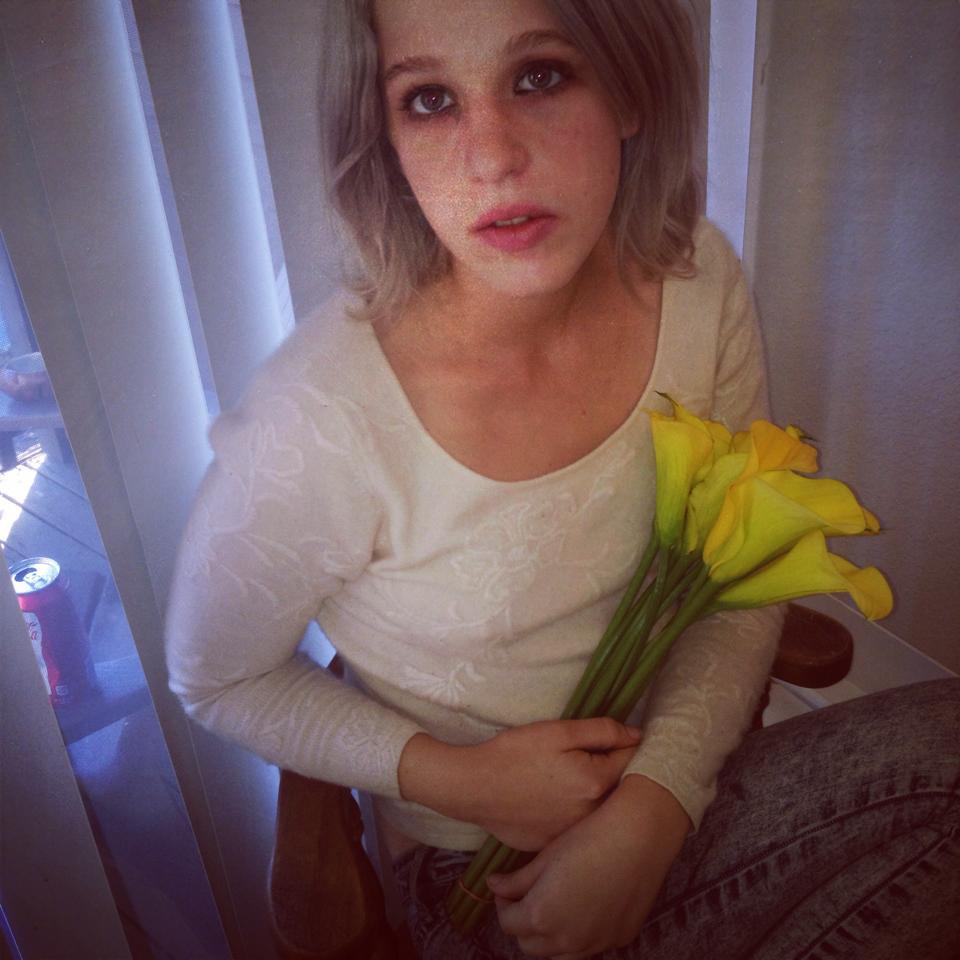

Nick Flynn from Another Bullshit Night in Suck City
Nick Flynn from Another Bullshit Night in Suck City
The Anorexic Self: A Personal, Political Analysis of a Diagnostic Discourse
by Paula Saukko
the tunnels!
Susanna Kaysen, Girl, Interrupted
“For months after my assault, I had to stop myself before saying (what seemed accurate at the time), ‘I was murdered in France last summer’”
—-Susan J. Brison, Aftermath: Violence and the Remaking of a Self, xii
“I am not the same person who set off, singing, on that sunny Fourth of July in the French countryside. I left her in a rocky creek bed at the bottom of a ravine. I had to in order to survive.”
—ibid, 21
“Although I had been primed, since childhood, for the experience of rape, when I was grabbed from behind and thrown to the ground I initially had no idea what was happening. As I’ve mentioned earlier, I first experienced the assault as a highly unrealistic nightmare from which I tried to wake up.”
—Susan J. Brison, Aftermath: Violence and the Remaking of a Self
“When the inconceivable happens, one starts to doubt even the most mundane, realistic perceptions. Perhaps I’m not really here, I thought, perhaps I did die in that ravine. The line between life and death, once so clear and sustaining, now seemed carelessly drawn and easily erased. For the first several months after my attack, I led a spectral existence, not quite sure whether I had died and the world went on without me, or whether I was alive in a totally alien world. […] I felt as though I’d somehow outlived myself.”
—ibid.: 8–9
―You don’t just get [an eating disorder], the way you just get a cold: you take it into your head, consider it as an idea first, play with the behaviours awhile, see if they take root.
Marya Hornbacher, Wasted
It is, at the most basic level, a bundle of deadly contradictions: a desire for power that strips you of all power. A gesture of strength that divests you of all strength. A wish to prove that you need nothing, that you have no human hungers, which turns on itself and becomes a searing need for the hunger itself. It is an attempt to find an identity but ultimately strips you of any sense of yourself, save the sorry identity of “sick.” It is a protest against cultural stereotypes of women that in the end makes you seem the weakest, the most needy and neurotic of all women. It is the thing you believe is keeping you safe, alive, contained—and in the end, of course, you find it’s doing quite the opposite.
—marya hornbacher, from wasted

“I did not believe in the resurrection of the body but I still believed that given the right circumstances he would come back.” -_The Year of Magical Thinking_ by Joan Didion
 Little Bristling Soul