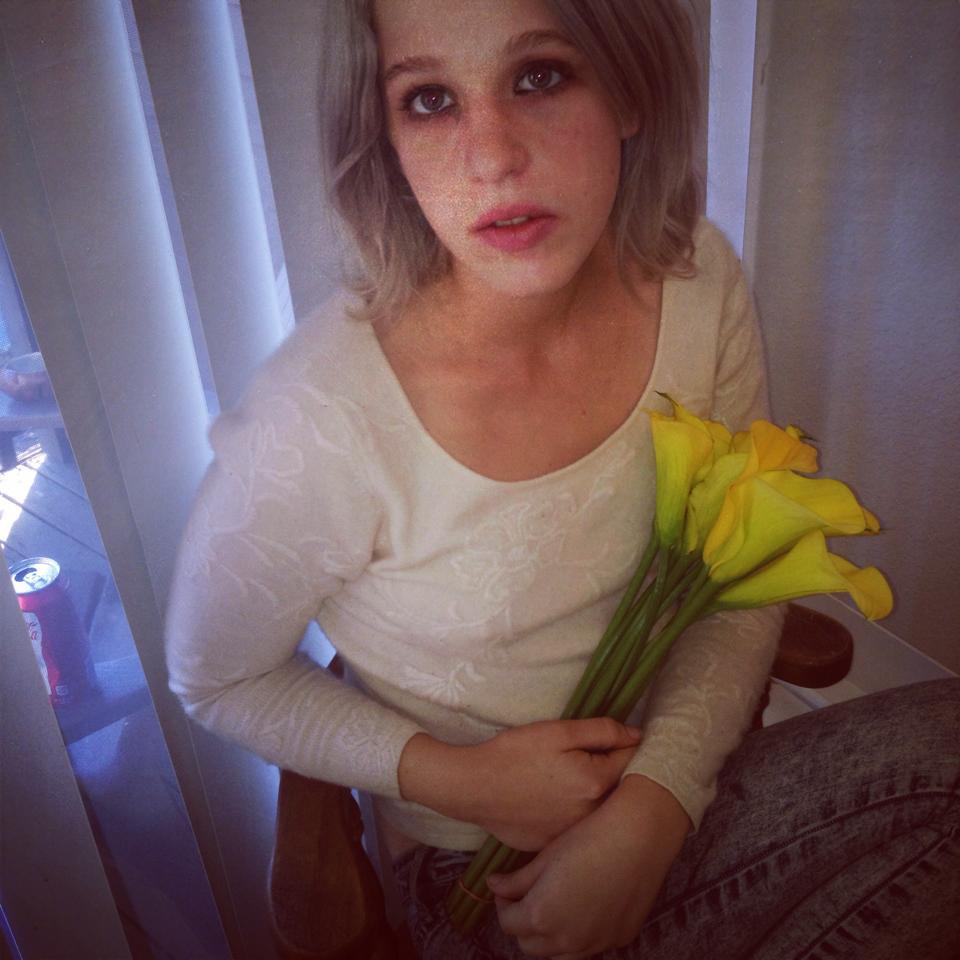
For a woman, at the border, the sense that no one can comprehend the extent and intensity of her suffering is an understandable consequence of the sense of never having been known. She is saying to those around her, not ‘I want you to suffer as I have suffered,’ but “it is through my pain you shall know me.’
Tag: literature
from Blood Math by Peggy Phelan and Adrian Heathfield
from The Pain Scale by Eula Biss
Epigraph quoting Lisa Robertson | Joni Murphy | Double Teenage
June Jordan | Who Look at Me
Angela Carter | Penetrating to the Heart of the Forest | Burning Your Boats: The Collected Short Stories
Lisa Robertson | [It was Jessica Grim the American poet…]
Autumn Royal | She Woke & Rose
Lisa Robertson | [Sometimes I want a corset like…]
Nina Auerbach | Our Vampires, Ourselves

The Black Hole of Trauma by Bessel A. Van der Kolk: and Alexander C. McFarlane

Susan Sontag, from As Consciousness Is Harnessed to Flesh: Journals and Notebooks 1964-1980

Ariel Glucklich from Sacred Pain: Hurting the Body for the Sake of the Soul

Ariel Glucklich from Sacred Pain: Hurting the Body for the Sake of the Soul

Claudia Rankine from Citizen

Judith Butler from Precarious Life (full text here)
Simone Weil, Gravity & Grace
Anne Carson, Eros, The Bittersweet
Fanny Howe, The Future is Like Magic: A Notebook
Anne Carson, Autobiography of Red
Imaginary evil is romantic and varied; real evil is gloomy, monotonous, barren, boring. Imaginary good is boring; real good is always new, marvelous, intoxicating.

The Female Malady: Women, Madness, and English Culture by Elaine Showalter


