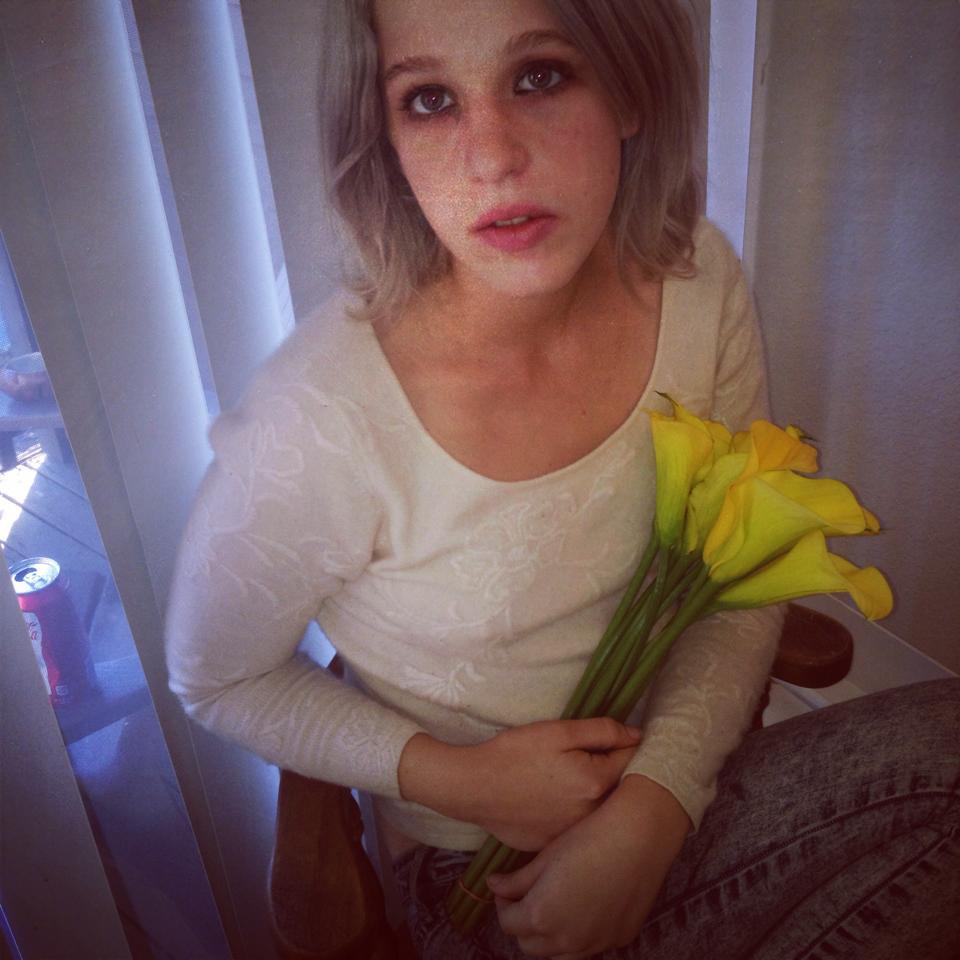

Elena Ferrante
Elena Ferrante
The US-Mexican border es una herida abierta (is an open wound) where the Third World grates against the first and bleeds. And before a scab forms it haemorrhages again, the lifeblood of two worlds merging to form a third country – a border culture.

michel foucault

Ivan Albright

zygmunt bauman, liquid modernity


zygmunt bauman, liquid modernity

zygmunt bauman, liquid modernity


Zygmunt Bauman, Lydia Bauman Culture in a Liquid Modern World


Scanlan, On Garbage
9. Glitch art is process art: the artist’s hand intervening in digital data leaves its mark in the visual essence of the image. The artist’s process is not exacting, but an invitation of chaos: one triggers a glitch; one does not create a glitch. The limited amount of control the artist maintains is evident in the resulting image.
10. Glitch practice is surely as much a drive-based oscillation as it is a desire-based quest. Deliberate glitches viewed on screen and on the walls of galleries do not necessarily represent “the goal.” Individual works of glitch art may just as well be residues of “the way,” i.e. a happenstance by-product of the addictively game-like occultations that typify glitch practice: change, save, view and undo; change, save, view and undo. In such an arrangement, the exhibited image, sound, or video is strictly secondary to the process: a kind of notational proof that the technique in fact worked.
11. For glitch practitioners, the distinction between accidental and purposeful is not irrelevant, but it is also not the most crucial distinction.


 Little Bristling Soul